Introduction
In today’s world, men’s fashion often swings between fleeting trends and rigid conventions. But RUMI, a contemporary Pakistani men’s clothing and accessories brand, takes a radically different path. Inspired by the timeless wisdom of Jalaluddin Rumi, the Sufi poet and mystic, the brand believes that style is more than what you wear—it is the outward expression of your inner journey.
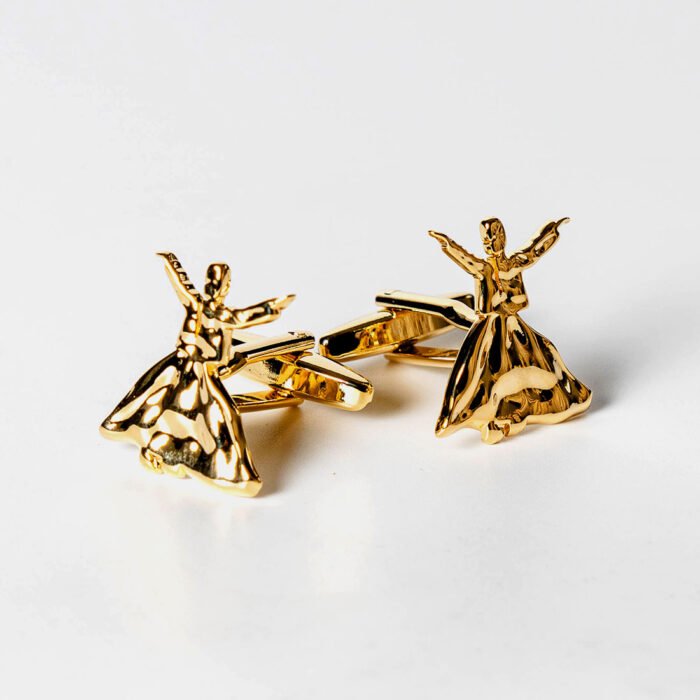
RUMI isn’t simply about fabric, cuts, or accessories; it is about authenticity, intention, and presence. Every pocket square, every cufflink, every detail is designed as a reflection of the self within. This is what makes RUMI stand apart in Pakistan’s growing fashion landscape.
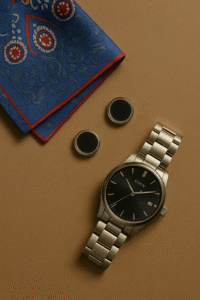
At the heart of RUMI is a conviction: true beauty lies in authenticity. Where most brands chase trends, RUMI encourages men to pause, go inward, and let their clothing reflect their own calm, conviction, and truth.
This philosophy echoes in their messaging: “Style begins within, where quiet becomes clarity, and clarity becomes expression.” In a world of noise, RUMI’s designs whisper the reminder that elegance isn’t loud—it’s intentional.
RUMI’s identity revolves around the metaphor of the inner journey. The brand draws inspiration from Sufi concepts such as the circle of life, stillness, and presence.
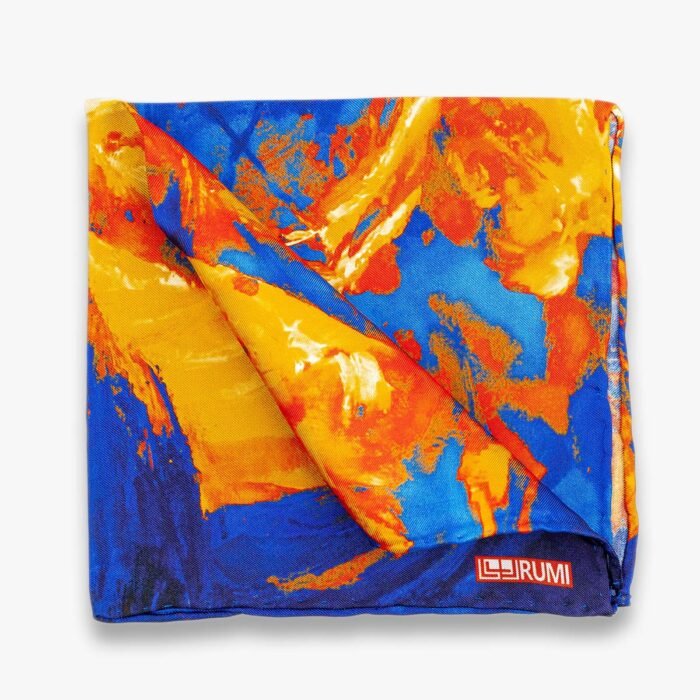
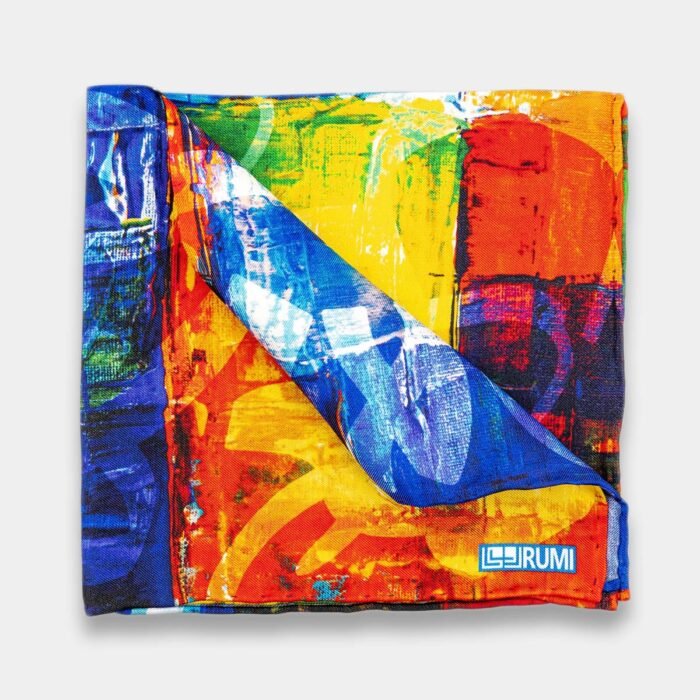
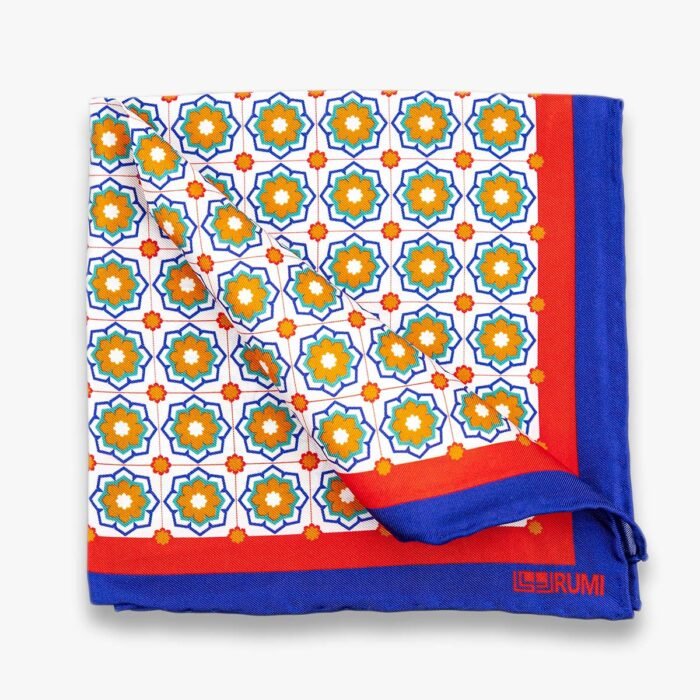
RUMI believes that details hold intention. A pocket square isn’t just fabric; it is “a piece you place close to the heart.” A cuff becomes “a compass.” Even the smallest fold of silk is charged with meaning.
Every product—crafted in fine materials like hand-hemmed 100% silk—serves as a symbol of individuality and purpose. By wearing RUMI, men are reminded that style is not about standing out but about standing true.
While rooted in the spiritual philosophy of Rumi, the brand speaks in a distinctly modern voice. The collections—such as the Tabrez pocket square, blending grey marble with bold accents—illustrate how Pakistani craftsmanship can merge timeless spirituality with global sophistication.
In doing so, RUMI positions itself not just as another fashion label, but as a movement towards mindful masculinity in Pakistan: one that embraces heritage, yet resonates with contemporary men around the world.
RUMI is more than a men’s clothing brand. It is a philosophy woven into fabric, a mirror of inner truth, and a quiet rebellion against superficial fashion. For Pakistani men seeking timeless accessories that embody meaning, RUMI offers not just products, but companions for the journey within.
In a fashion world often dominated by noise, RUMI is an invitation to return to the center, embrace authenticity, and let style follow the soul.
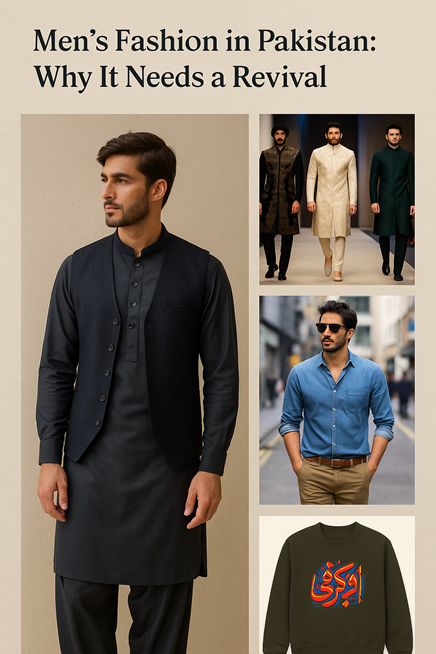
For decades, Pakistan’s fashion narrative has been overwhelmingly dominated by women’s wear. The industry thrives on bridal couture, seasonal lawn collections, and prêt lines that constantly push creative boundaries. Men’s fashion, however, has remained largely underexplored, limited to shalwar kameez staples, sherwanis for ceremonial occasions, and western tailoring that seldom reflects Pakistan’s own design identity.
The absence of innovation in men’s fashion is striking when set against the country’s rich textile heritage and craftsmanship. Pakistan is home to centuries-old traditions in weaving, dyeing, and embroidery — yet much of this artistry is confined to women’s wardrobes. Reviving men’s fashion is no longer just a matter of style, but one of cultural preservation, economic opportunity, and global recognition.
Currently, men’s wardrobes in Pakistan revolve around a narrow set of categories:
• Eastern wear (shalwar kameez, waistcoats, sherwanis) with little variation beyond fabric and color.
• Western wear (suits, shirts, casual denim) often inspired by international trends, but lacking a distinct Pakistani voice.
• Occasion wear, particularly for weddings, where men experiment more freely with embellishments and bolder cuts.
This limited scope has prevented men’s fashion from becoming a dynamic, expressive industry in its own right.
1. Cultural Identity – Revitalizing men’s clothing with indigenous techniques (ajrak, khaddar, hand embroidery) offers a chance to proudly display heritage in everyday style.
2. Global Positioning – Pakistan has the potential to position itself as a hub of innovative menswear, much like Italy for tailoring or Japan for streetwear.
3. Youth Demand – With a large, fashion-conscious youth population exposed to global aesthetics, the demand for variety and individuality in menswear is growing.
4. Economic Potential – Menswear represents an underdeveloped yet highly lucrative segment of the fashion market.
The revival of men’s fashion will require a careful balance of tradition and modernity: fusion wear that combines eastern silhouettes with western cuts, streetwear inspired by local calligraphy and truck art, and eco-friendly collections rooted in sustainable textiles like khaddar and organic cotton.
In short, men’s fashion in Pakistan is overdue for reinvention. By anchoring innovation in heritage, Pakistan can create a bold new narrative that resonates both locally and internationally.