The tie has a complicated reputation. Once the undisputed crown of a man’s wardrobe, it retreated from offices, restaurants, and weddings under the pressure of “smart casual” and “business relaxed.” Men stopped wearing ties not because they stopped caring about appearance — but because the ties they found no longer seemed to care about them.
RUMI’s silk ties enter this conversation quietly, without manifesto. They simply exist: beautiful, purposeful, and rooted in a design tradition that makes them feel inevitable rather than imposed.
Silk is not nostalgia. It is physics. The way light moves across a silk tie — catching in one place, falling away in another — creates a visual warmth that synthetic fibres simply cannot achieve. A silk tie changes with the wearer. In morning light it reads differently than under an evening chandelier. It absorbs the character of the day.
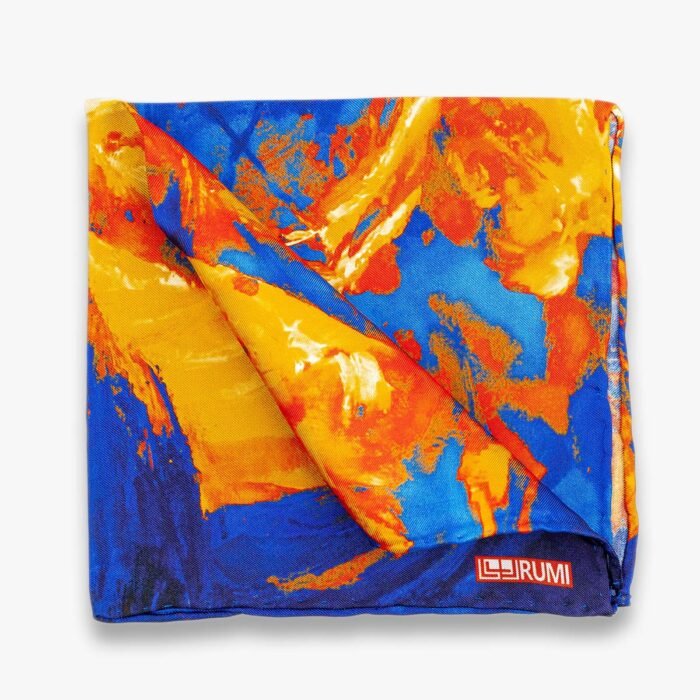
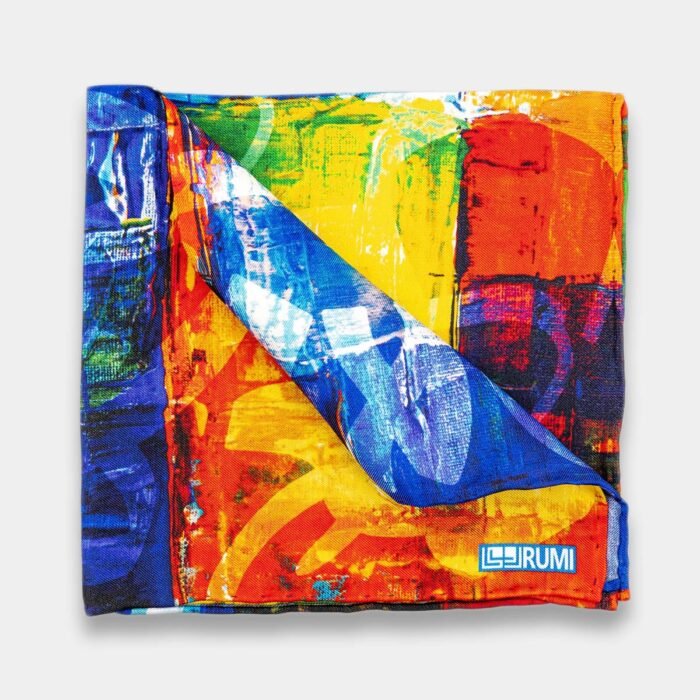
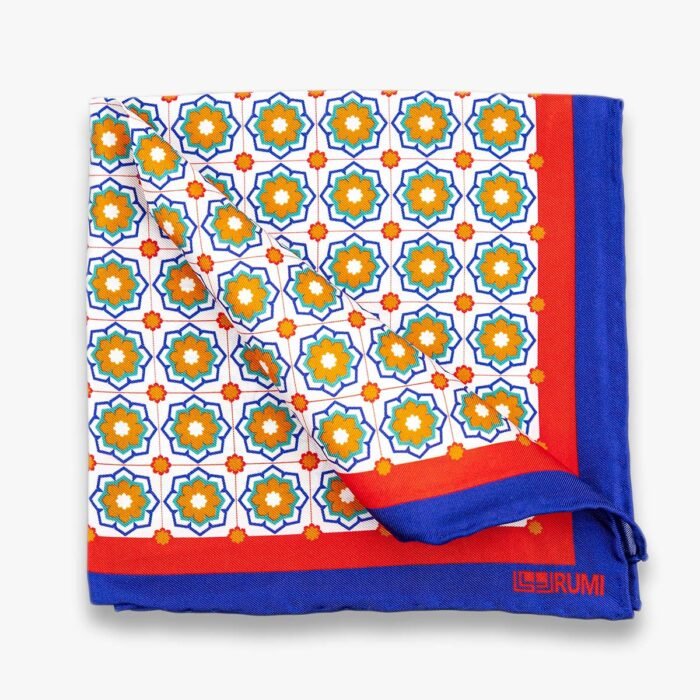
RUMI’s silk ties are the natural extension of the brand’s pocket square philosophy: that what sits close to a man’s body should carry meaning, not just pattern. The same geometric traditions — Islamic architecture, Sufi sacred art, the tilework of Morocco and Andalusia — flow into the tie’s design language.
“I have lived on the lip of insanity, wanting to know reasons, knocking on a door. It opens. I have been knocking from the inside.”
— Rumi, Masnavi
There is a meditative quality to tying a tie well. The Four-in-Hand for everyday ease. The Half Windsor for measured formality. The Full Windsor when the moment calls for complete command of the room. At RUMI, we encourage men to bring the same consciousness to the knot as to the fabric: slow down, be present, and tie it as if the day matters — because it does.
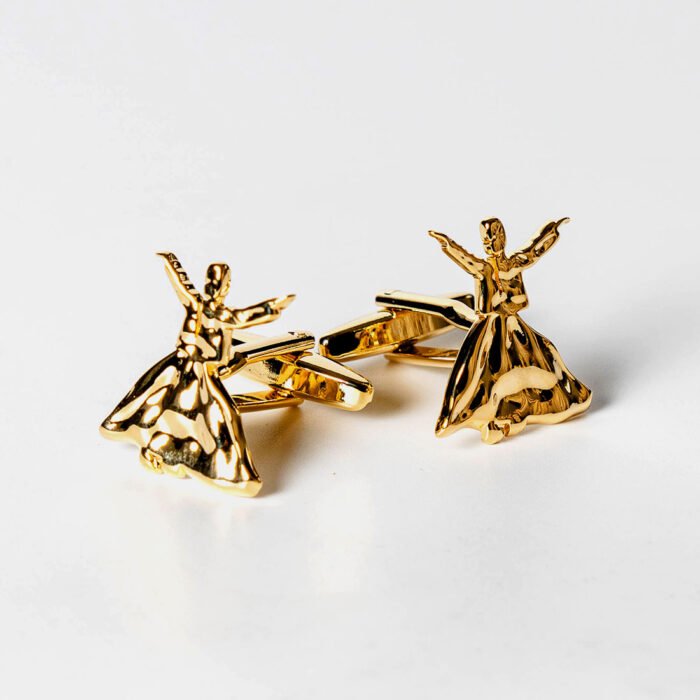
The RUMI silk tie is not merely a new product. It is the completion of a wardrobe philosophy. Pocket squares speak. Cufflinks anchor. The silk tie connects — drawing a line from collar to conviction.
Explore the silk ties collection at rumi.com.pk.